Acest conținut nu este încă disponibil în limba ta – se afișează versiunea în English.
Spring roebuck stalking: preparation and ethics
Spring buck hunting is about patience, knowing the ground and making responsible decisions. Practical advice from preparation to after the shot.
2 noiembrie 2026 · 1 min de citit
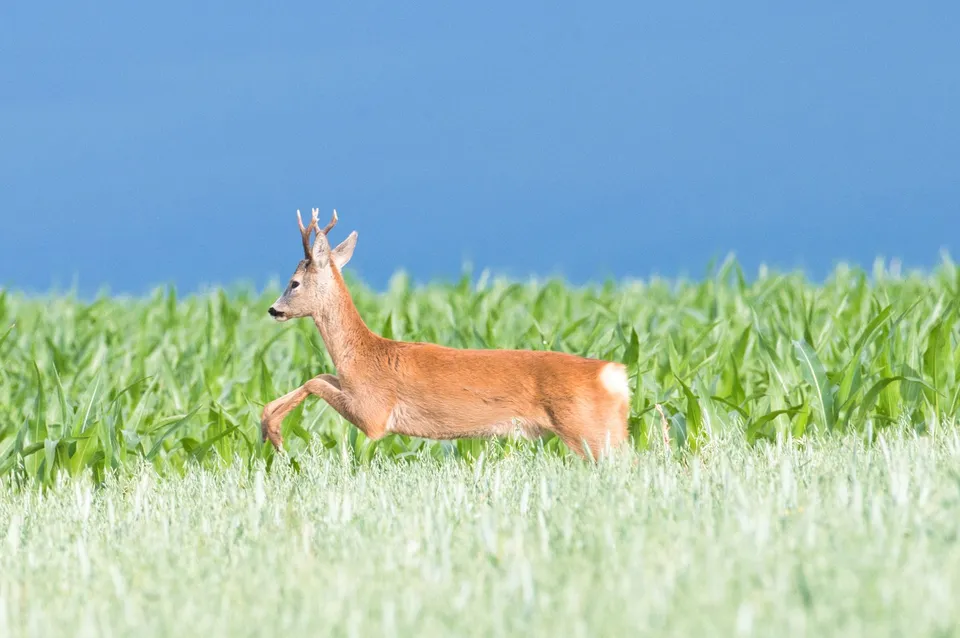
For many hunters, spring roebuck stalking is the finest time of the season: greening fields, early dawns and bucks busy marking their territories. Successful and ethical stalking, however, takes far more than a good rifle.
Know the ground
In spring, bucks claim and mark territories. Walk the ground before the season and note fraying stocks, scrapes and regularly used trails. A trail camera or a few early-morning observations reveal a lot about which buck moves where and when.
Wind, light, movement
- Always stalk into or across the wind – a roe's sense of smell is excellent.
- Slowness is key: a few steps, then a longer pause to watch.
- Use the cover of the terrain: ditch banks, hedgerows, tall crops.
- Game is most active at dawn and dusk, but the daytime hours can also bring success.
Selection: which buck?
A responsible hunter does not look for the biggest antlers first, but for the buck whose harvest fits the game management plan. Young, promising bucks should be spared; taking weak, abnormal or old, declining bucks improves the quality of the population. In spring, age can be estimated from body shape, neck, face colour and behaviour, but there is always uncertainty – if in doubt, don't shoot.
The shot and after
Only shoot at a stationary, broadside target with a safe backstop. After the shot, wait a few minutes, mark the spot where the animal stood and look for a blood trail. If the animal is not lying nearby, do not follow immediately: call a trained tracking dog and its handler.
At the end of the hunt, careful handling of the game, prompt gralloching and cooling are part of both meat quality and respect for the animal.
Specii conexe
Comentarii
Încă nu există comentarii. Fii primul!