The spread of the golden jackal in Central Europe
In a few decades it has reached the Baltics from the Balkans. What do we know about the golden jackal's spread, and what does it mean for game management?
November 2, 2026 · 1 min read
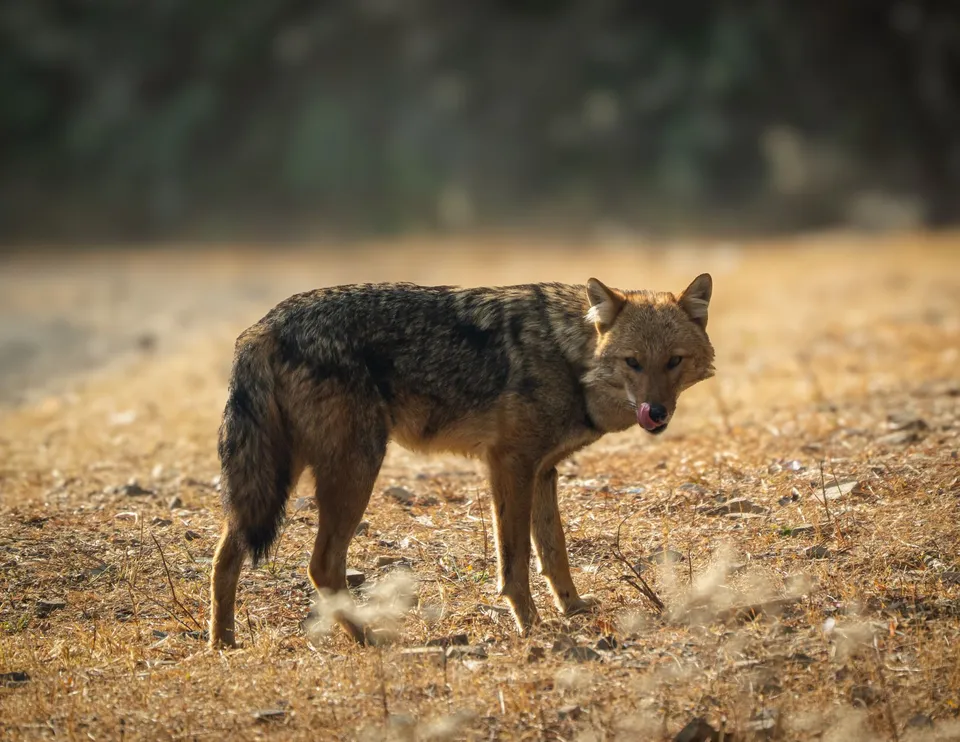
The golden jackal (Canis aureus) is one of the most striking expanding mammals in Europe in recent decades. Starting from the Balkan Peninsula, it has appeared across much of Central Europe, and individuals have reached the Baltics and even Scandinavia.
A short history
In Hungary the species had practically disappeared by the mid-20th century. From the 1990s it reappeared, first along the southern border, and its population has grown rapidly since. Today it is common in southern Transdanubia and many parts of the Great Plain, and its dusk howling is a familiar sound in many places.
Why is it spreading?
Researchers cite several reasons:
- the decline of the wolf, formerly the jackal's natural competitor and predator;
- milder winters;
- abundant food in agricultural landscapes (rodents, carrion, crops);
- the species' flexible, omnivorous way of life.
Impact on game
The golden jackal is an opportunistic predator: besides rodents, its prey includes small game and roe deer fawns, especially during the fawning season. The extent of the impact varies by area and depends on habitat structure, prey density and the presence of other predators.
Game management measures
- Monitoring: howling surveys (call playback), trail cameras, harvest data.
- Population control within the legal framework, coordinated with fox control.
- Habitat management: reducing access to carrion and slaughter waste.
The golden jackal is now part of the native fauna, so the aim is not eradication but a balance in which small game and roe deer populations also remain sustainable.
Related species

Small game
European hare
Lepus europaeus
The traditional quarry of small-game hunting and a typical inhabitant of open farmland.
Predator
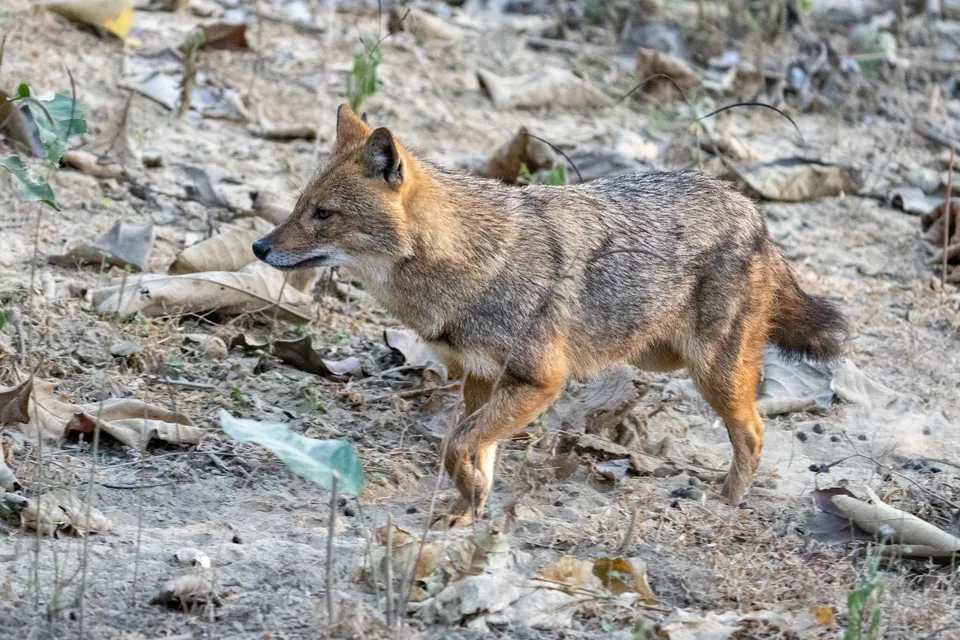
Golden jackal
Canis aureus
A canid larger than a fox but much smaller than a wolf, spreading rapidly across Central Europe since the 1990s.
Predator
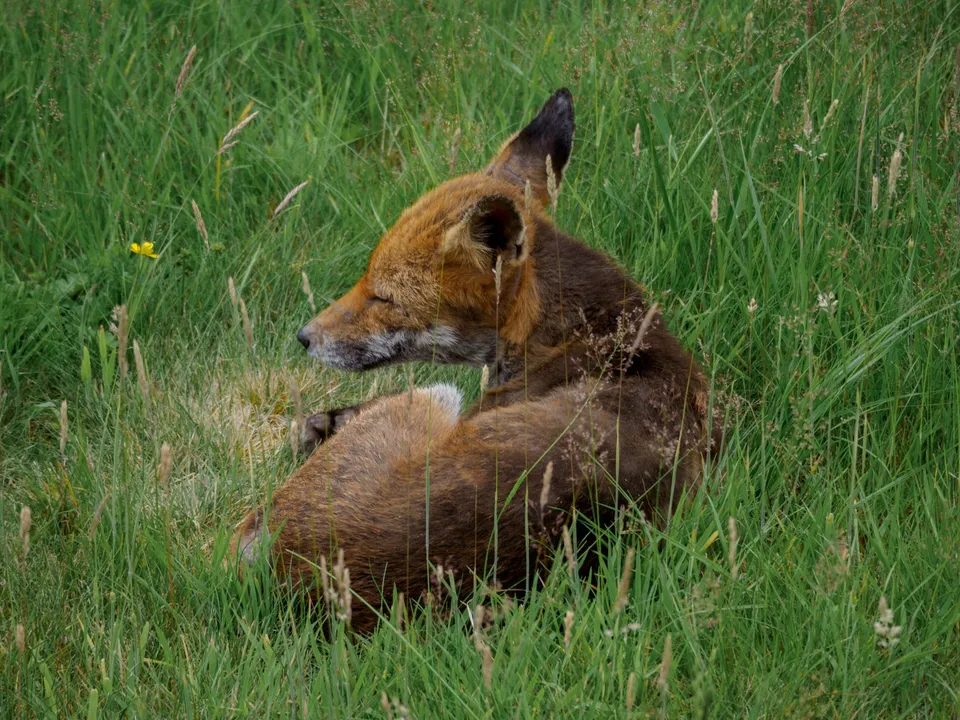
Red fox
Vulpes vulpes
The most widespread predator in Hungary; controlling its numbers matters for protecting small game and ground-nesting birds.
Big game
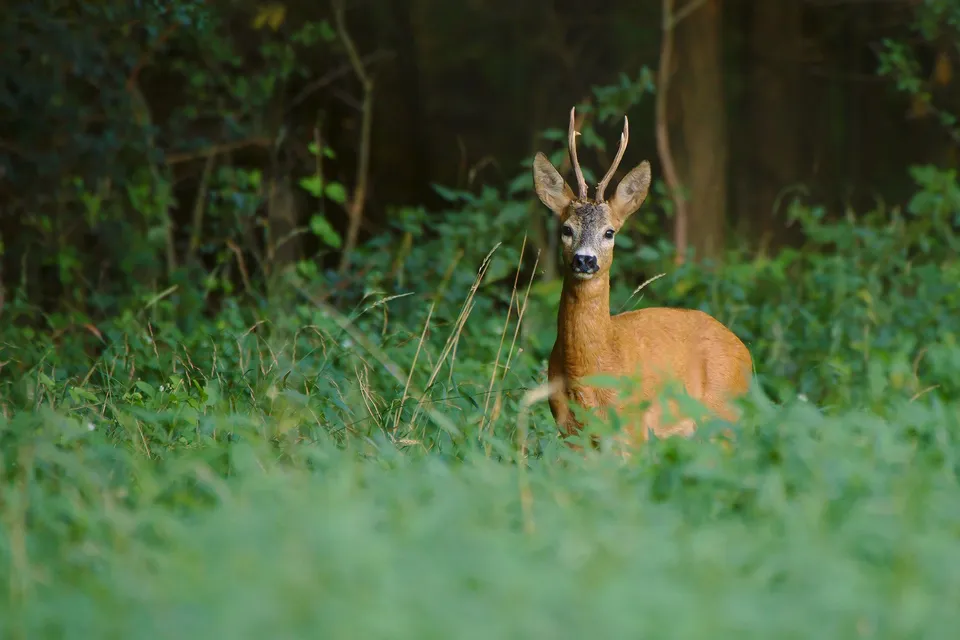
Roe deer
Capreolus capreolus
The most common deer in Hungary; a small, adaptable species living in forests and farmland alike.
Comments
No comments yet. Be the first!