Dieser Inhalt ist in Ihrer Sprache noch nicht verfügbar – angezeigt wird die Version auf English.
Tracking basics: the most common big-game tracks
How to tell red deer, fallow deer, roe deer and wild boar tracks apart: sizes, shapes and telltale details.
2. November 2026 · 1 Min. Lesezeit
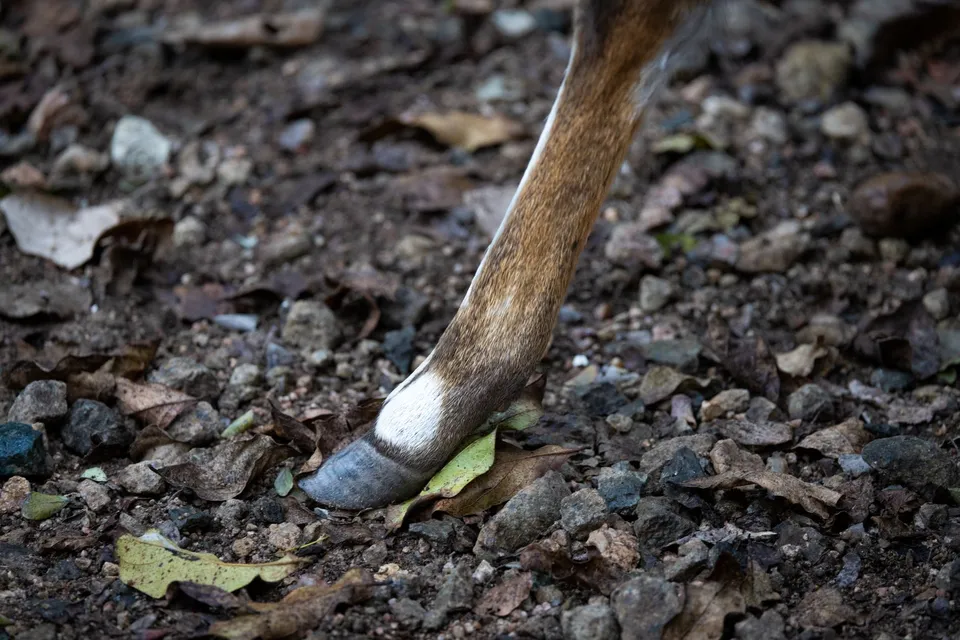
Tracking is one of the oldest skills in hunting. Knowing tracks tells you which animal passed, when and where – essential for game management, assessing crop damage and recovering wounded game.
Cloven hooves: the deer
Deer walk on two hoof toes; the print consists of two halves curving towards each other.
| Species | Track length (adult) | Characteristic |
|---|---|---|
| Red deer | 8–10 cm | elongated, pointed, deep |
| Fallow deer | 5–7 cm | rounder than red deer |
| Roe deer | 4–5 cm | narrow, pointed, small |
In deer, dewclaw imprints only show on soft ground or when the animal moves fast.
Wild boar tracks
Boar tracks are broader and blunter, the toe tips are rounded, and the dewclaw imprints almost always show behind the print, set slightly outwards. This is the most reliable distinguishing feature.
What the trail tells you
- Stride length: larger, older animals take longer strides.
- Spacing and depth: a fleeing animal's prints splay apart and sink deeper, throwing up soil.
- Age: fresh tracks have sharp edges; old ones are rounded and may contain fallen leaves or snow.
Practice
The best places to learn are soft mud, fresh snow and the surroundings of wallows. Photograph every track with something for scale (a pen or tape measure) so you can compare them later.
Verwandte Wildarten
Hochwild
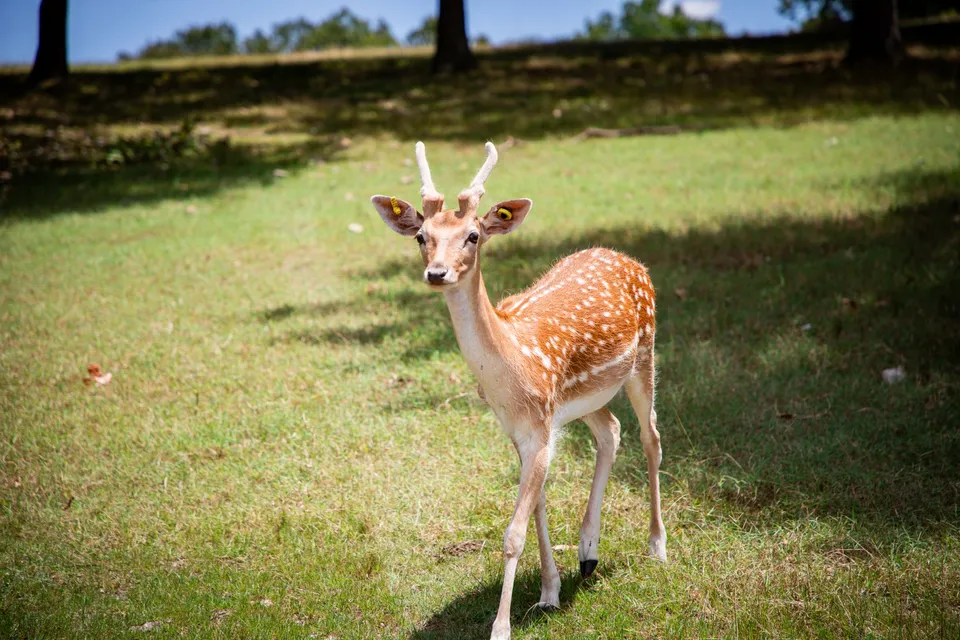
Fallow deer
Dama dama
A medium-sized, spotted deer, easily recognised by the buck's palmate antlers.
Hochwild
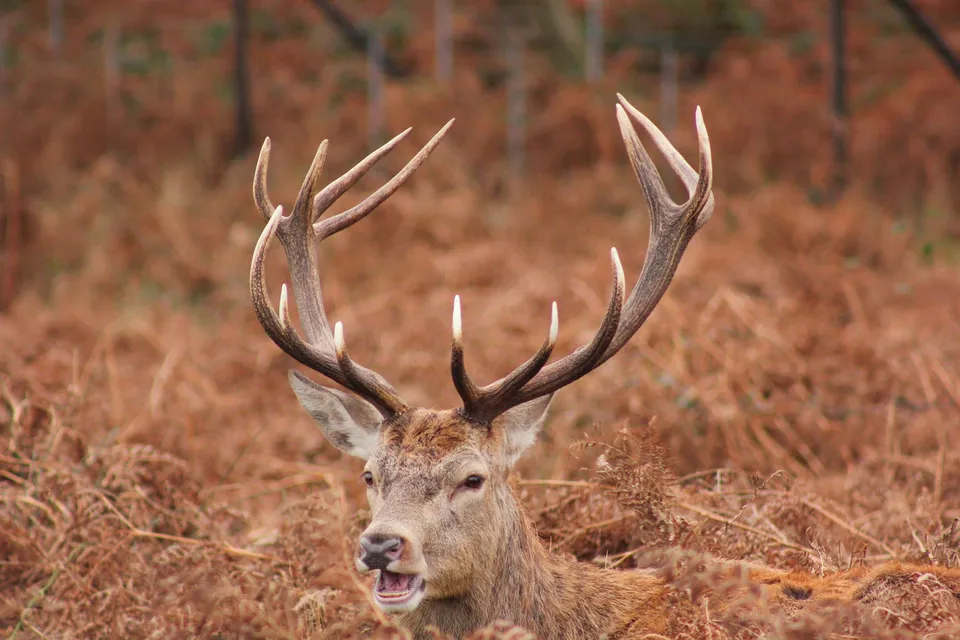
Red deer
Cervus elaphus
One of Europe's largest deer; the stag's antlers are among the most prized hunting trophies.
Hochwild
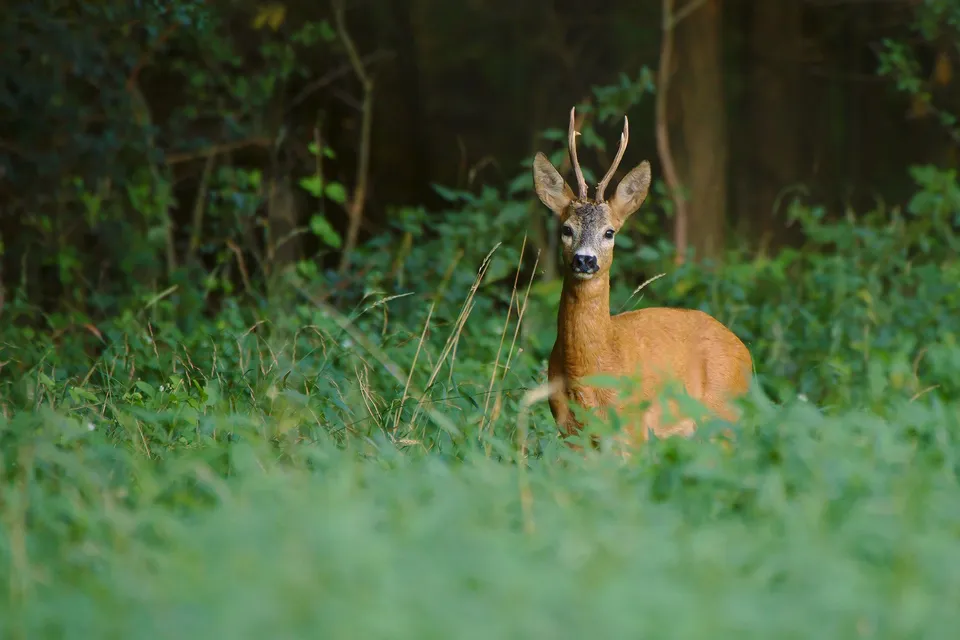
Roe deer
Capreolus capreolus
The most common deer in Hungary; a small, adaptable species living in forests and farmland alike.
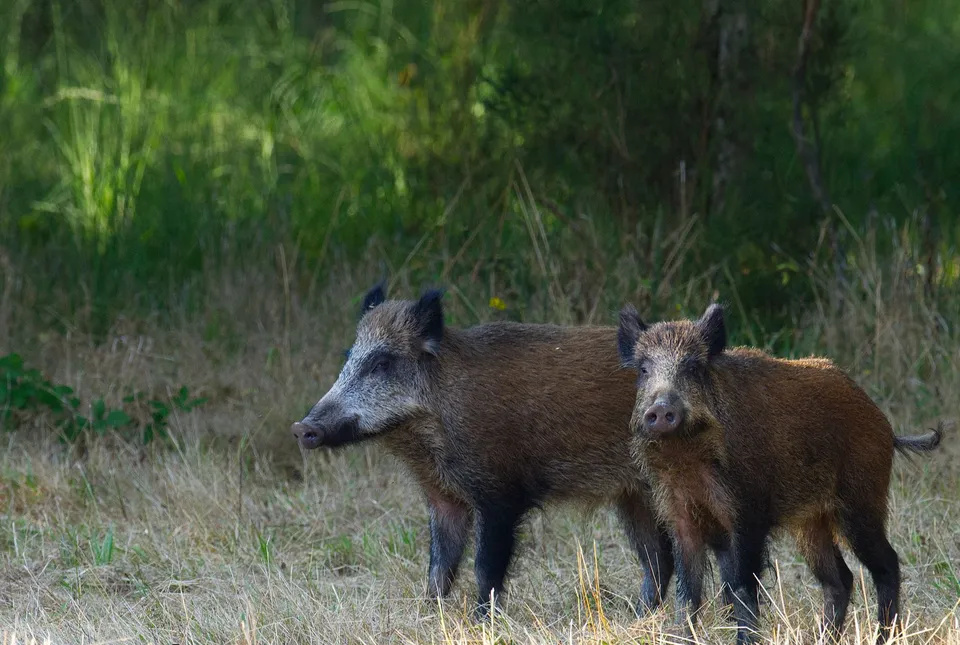
Hochwild
Wild boar
Sus scrofa
A strong, adaptable omnivore; the boar's tusks are a valued trophy, and population control is a key game management task.
Kommentare
Noch keine Kommentare. Sei der Erste!